Poster sizing guide: why 50x70 outsells A4 (and when it doesn't)
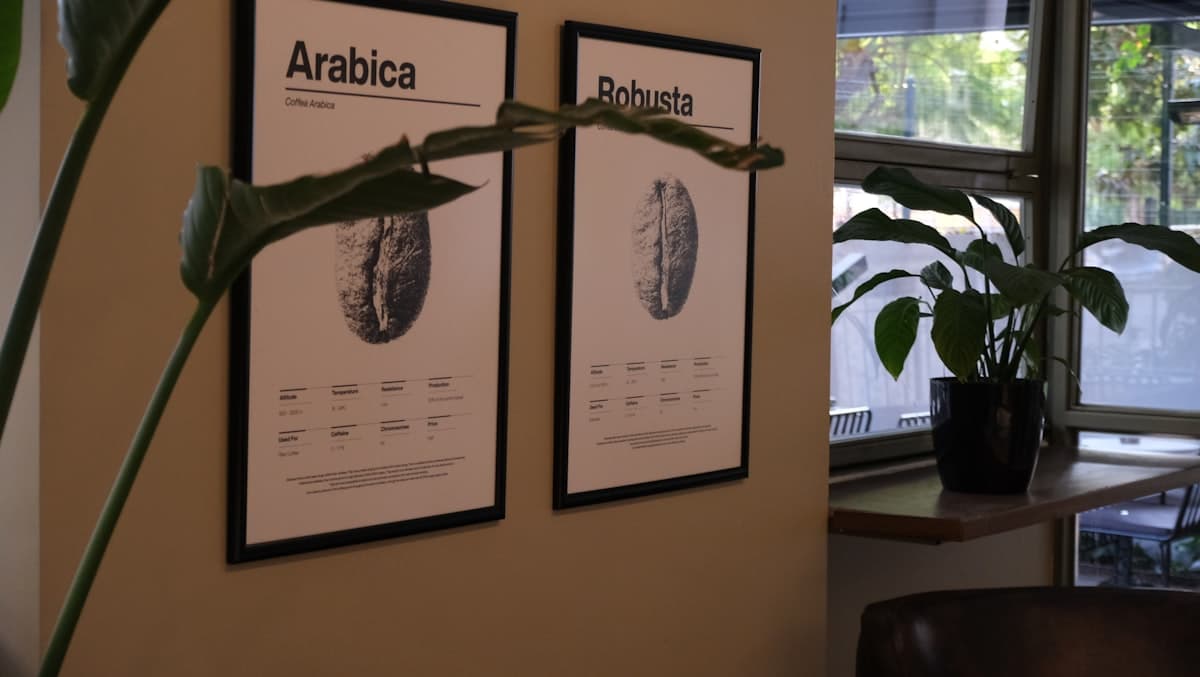
Kasper runs a two-person poster shop out of Aarhus. Last quarter he filtered his Shopify sales by size, half expecting A4 to come out on top. It's the cheapest print in the catalog, the size every collection defaults to, the one that shows up first in the size dropdown.
It came in fourth. 50x70cm outsold it more than three to one.
He isn't an outlier. Ask most poster shop owners which size actually moves, and 50x70 comes up first, almost apologetically, like they expected something more sophisticated to be the answer.
The best-selling poster size for most online shops is 50x70cm (19.7 x 27.6 inches), not A4. It sells more not because it's a "better" print size, but because it matches the most common ready-made frame size sold by IKEA and every furniture store that copies IKEA's catalog.
A4 is a paper size. 50x70 is a frame size
A4 was never designed for walls. It's 21 x 29.7cm, an ISO standard built for photocopiers, invoices, and print shops. Poster catalogs inherited it because print-on-demand software defaults to it, not because customers were asking for it.
50x70cm isn't a print standard at all. It's a frame standard. Walk into IKEA and the Ribba and Fiskbo frames sit right by the entrance to the frames aisle, in 21x30, 50x70, and 61x91cm, the exact same sizes that show up across nearly every budget frame brand.
When a customer sees a poster listed at 50x70, they already know where to get a cheap frame for it. No measuring, no guessing whether it'll fit something they own. A4's closest ready-made match is 21x30cm, close but not exact, which means the customer has to stop and think before they can picture it framed. That half-second of doubt is often the difference between checkout and a closed tab.
The size that sells best isn't the one that photographs prettiest in a mockup. It's the one that removes a decision between "I like this" and "this is already on my wall."

Photo by tom kenar on Unsplash
What this means for your catalog
Print and ink cost scale with area, so a 50x70 print does cost more to produce than an A4 one. But shipping doesn't scale the same way. A4 and A3 prints often ship flat in a rigid mailer for a fraction of what a tube costs, which means the margin gap between sizes is usually smaller than the sticker prices suggest.
A few adjustments that follow from the data, not from habit:
- Make 50x70 the default size shown on product pages, not the first entry in a dropdown buried under "select size."
- Give 61x91cm (roughly a "one sheet" poster) its own place as the statement-piece option, priced and photographed like one.
- Stop selling A4 as a solo product. Bundle it into a set of three for a gallery wall, or a gift pack. Small formats sell as a group far more often than they sell alone.
- Watch for the seasonal exception: small formats spike in November and December, when a print needs to fit in a card or a stocking, not above a sofa. Big formats come back in January, when people are redecorating instead of gifting.

Photo by Dmitry Kropachev on Unsplash
The scale problem no size chart solves
Even with the frame-size shortcut, buyers still guess wrong about scale from a phone screen. A 50x70 poster photographed against a white background looks roughly the same size as an A4 shot the same way. There's nothing in a product photo to anchor scale against.
This is where a size chart runs out of road. It can tell someone the print is 50x70cm, but it can't show them what that looks like above their actual sofa, next to their actual lamp. Shops that let buyers preview a poster in AR, at real size, on their own wall, tend to see fewer "I thought it would be bigger" returns than shops relying on a ruler icon next to the price. It answers the one question the size dropdown never could.
Kasper didn't change his print sizes after looking at that spreadsheet. He changed his homepage. 50x70 moved to the top of every collection. A4 got folded into a "starter gift set" of three. 61x91 got its own "statement piece" shelf. He didn't add a single new product. He just stopped hiding the size that was already winning.
FAQ
What is the most popular poster size to sell?
50x70cm (19.7 x 27.6 inches) is the best-selling poster size for most online shops. It's the standard size for the most common ready-made frames sold by IKEA and similar retailers, so buyers can picture it framed without measuring anything.
Why do 50x70 posters outsell A4?
A4 (21 x 29.7cm) is a paper size built for printers, not walls. 50x70cm is a frame size buyers already recognize from furniture stores, which removes the hesitation of wondering whether it'll fit a frame they can actually buy.
Should a poster shop still sell A4 size?
Yes, but not as the default. A4 and other small formats sell best as gift sets, postcards, or bundles of three for a gallery wall, rather than as the anchor size on a product page.
What poster sizes fit standard ready-made frames?
The most common ready-made frame sizes are 21x30cm, 30x40cm, 50x70cm, and 61x91cm. Building a catalog around these four, instead of the ISO A-series, matches what buyers can actually walk into a store and buy a frame for.